Quality Senior Living Options for Every Lifestyle
Quality senior living alternatives cater to a wide array of lifestyles. Each option offers unique benefits, whether it's the social vibrancy of active adult communities or the supportive environment of assisted living. Recognizing personal preferences and health needs is essential. As seniors consider their choices, they may wonder which arrangement best enhances their quality of life. The answers lie in a thoughtful assessment of individual circumstances and available options. What will they discover next?
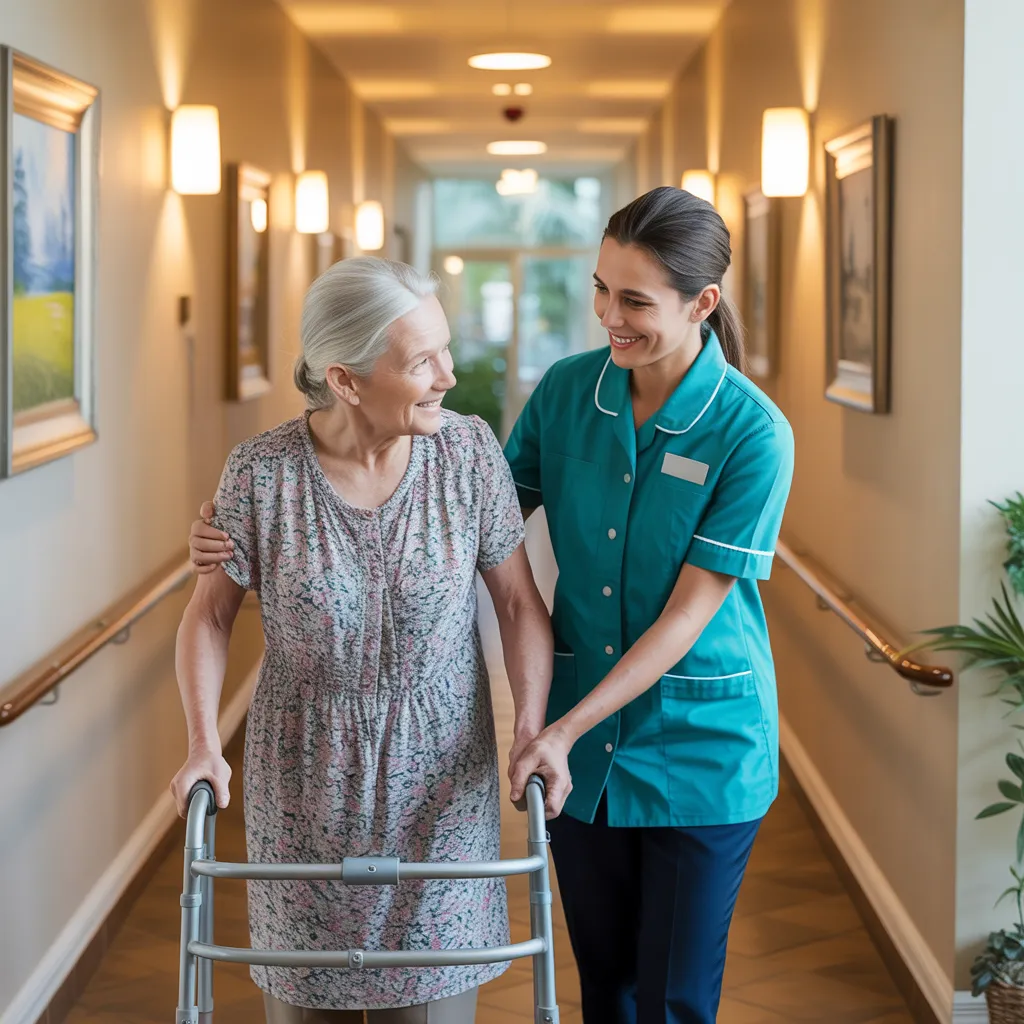
Which Senior Living Options Are Right Best for You?
When examining senior living options, how can one identify the best match for their requirements and life? Individuals must first assess their personal needs, like physical condition, mobility, and social preferences. Multiple options are accessible, such as independent living, assisted living, and nursing homes, each providing different degrees of care and independence.
Independent living is excellent for those in search of a hassle-free lifestyle while maintaining autonomy. Alternatively, assisted living extends help for routine daily activities, attracting to those seeking additional support. Nursing homes offer comprehensive healthcare for individuals experiencing significant medical challenges.
Moreover, factors like location, community amenities, and price serve a vital role in decision-making. It is important to assess personal priorities, explore potential communities, and gather information on offerings offered. Ultimately, the right choice aligns with the individual's way of life, ensuring ease and contentment in their new home situation.
Active Adult Communities: Engaging Retiree Living Choices
Active adult communities supply an stimulating option for elderly individuals wanting a spirited mode of living without the responsibilities of home maintenance. These communities are structured for individuals aged 55 and older, prioritizing community participation and active living. Residents can indulge in a variety of amenities, such as fitness centers, swimming pools, and walking trails, encouraging a vigorous and active lifestyle.
Social activities are plentiful, including clubs, classes, and structured excursions, building a feeling of connection and inclusion. This environment allows seniors to forge new friendships and participate in shared interests. Additionally, many active adult communities provide chances for continuous education through workshops and educational programs.
With upkeep and grounds care usually handled by the community, residents can focus on enjoying their retirement. These communities cater to those who desire to remain self-reliant while still benefiting from a supportive environment, rendering them an attractive option for many seniors.
Self-Sufficient Living: Adapted Selections for Your Daily Life
Offering seniors customization and tailoring, independent living is an approach to retirement living that enables them to keep their autonomy while taking advantage of essential support services. This option is designed for those who are largely self-sufficient but appreciate the availability of resources that boost their quality of life.
Residents can choose from diverse housing types, including apartments, cottages, or single-family homes, tailored to individual preferences. Many independent living communities offer amenities such as fitness centers, social activities, and dining options that promote community engagement.
Safety features, such as emergency call systems and secure entry points, are frequently built in, providing peace of mind to both residents and their families.
Assisted Living: Harmonizing Independence with Professional care
Assisted living offers an essential equilibrium between autonomy and support, catering to seniors who require different levels of help with daily activities while still valuing their independence. In these facilities, residents benefit from customized support tailored to their specific requirements, such as help with managing medications, showering, and preparing meals.
In contrast to nursing homes, assisted living facilities enable residents in sustaining their everyday habits and social connections, building a sense of community and belonging. Activities and programs are frequently designed to involve residents, advancing mental and physical well-being.
Family relatives can feel confident knowing that their family are in a secure environment where trained staff is on hand around the clock. This approach not only improves the standard of living for older adults but also supports their need for autonomy, allowing them to thrive in a nurturing and empowering setting.
Memory Care: Dedicated Environments for Brain Needs
Because cognitive decline can greatly impact daily functioning, memory care facilities are established to furnish focused settings that serve the unique needs of individuals with cognitive impairments, such as Alzheimer's or dementia. These facilities focus on protection, offering locked areas to hinder wandering and lessen confusion. Staff members are prepared specifically in skills to communicate effectively and engage residents meaningfully, promoting a sense of stability and reassurance.
Memory care initiatives frequently feature organized programs that enhance mental abilities and encourage interpersonal engagement. These activities may range from creative therapy to exercise classes, tailored to enhance recall and maintain skills. Additionally, the environment is typically designed with familiar layouts and comforting decor to minimize stress and promote a feeling of community. Overall, specialized care communities aim to create a supportive community that promotes independence while guaranteeing that individuals get the specialized care they require.
Skilled Nursing Facilities: Comprehensive Support for Seniors
Skilled nursing facilities offer a range of care options tailored to the requirements of seniors. These facilities offer expert medical services, ensuring residents receive the required attention for their health conditions. Additionally, they prioritize activities and community interaction, fostering a comprehensive approach to senior well-being.
Types Of Skilled Nursing
A selection of skilled nursing selections provide crucial support for seniors with assorted needs. These centers typically break down into several types, each designed to address distinct requirements. Traditional skilled nursing facilities offer 24/7 medical care and rehabilitation services for persons recovering from surgery or illness. Memory care units concentrate in facilitating seniors with Alzheimer's or dementia, supplying a protected environment and personalized activities. Short-term rehabilitation centers zero in on post-acute care, aiding seniors in regaining strength after hospitalization. Long-term care facilities cater to those needing sustained assistance with daily activities. Each type of skilled nursing facility guarantees that seniors receive the fitting level of support, fostering both health and well-being in a compassionate environment.
Specialized Medical Offerings Available
While addressing the diverse demands of seniors, specialized healthcare services offered in care facilities play an important role in guaranteeing thorough care. These organizations offer a variety of healthcare services adapted to specific wellness requirements, including drug management, rehabilitation, and injury care. Skilled nursing staff are prepared to address serious medical issues, ensuring that every resident obtains customized care. Additionally, these organizations often have connections to specialists who can deliver further evaluations and treatments, increasing the general grade of support. Ancillary services including nutritional counseling and discomfort relief are equally integral, fostering a integrated method to fitness. By combining these professional programs, care facilities enable older adults preserve their health and wellness and value in a nurturing space.
Engagement Opportunities and Activities
Beyond specialized medical services, recreational and community involvement play an essential role in the overall well-being of seniors in skilled nursing facilities. These initiatives promote meaningful connections, combat feelings of loneliness, and improve mental well-being. Organized activities such as arts and crafts, exercise classes, and group outings inspire involvement, allowing residents to connect with peers and form lasting bonds. Regular social events, like movie nights and themed celebrations, create feelings of belonging and belonging. Additionally, participating in mental exercises—such as games and puzzles—enhances cognitive function. By prioritizing activities and social engagement, skilled nursing facilities not only improve the living experience for seniors but also contribute to their holistic care and happiness.
Important Questions to Inform Your Senior Living Decisions?
When assessing senior living options, individuals should contemplate several important questions. Significant lifestyle preferences, health care needs, and budget considerations play essential roles in shaping one's decision. Handling these aspects can lead to a more aware and satisfying preference.
Key Living Preferences
How do individuals figure out their ideal senior living environment? Key lifestyle preferences are vital in this choice. Seniors often assess their daily routines, social practical advice activities, and personal interests to locate a suitable community. Some may stress an active lifestyle, looking for amenities like fitness classes, walking trails, or organized group outings. Others might appreciate tranquility, choosing quieter settings with gardens or reading nooks. Additionally, culinary preferences can affect choices, as some residents desire diverse dining options or specialized dietary accommodations. Understanding these lifestyle priorities helps prospective residents pinpoint environments that align with their values and habits, supporting a smoother change to a fulfilling senior living experience.
Health Care Needs
Picking the correct senior living situation also calls for deliberate analysis of healthcare demands. People must review their current health status and predict forthcoming medical needs. It is important to understand the extent of medical support available, such as aid with routine activities, managing medications, and having access to on-site healthcare specialists.
Families need to ask about the accessibility of dedicated care for chronic diseases, rehab, and emergency care. Moreover, being close to hospitals and specialists can significantly affect overall health management. Considering the staff-to-resident ratio and staff credentials also is crucial for ensuring proper support. When prioritizing these health care considerations, seniors and their families can choose wisely that suit their well-being and lifestyle preferences.
Monetary Aspects
While considering senior living options, budget factors play an crucial role in guiding decisions. Prospective residents must evaluate not only the monthly fees but also additional costs such as food, utilities, and healthcare services. Grasping the payment plan is crucial; options may include buy-ins, monthly rentals, or long-term leases. It is important to take into account potential financial assistance resources or insurance coverage that could ease costs. Additionally, evaluating the benefit of amenities and services offered in the price can help determine if a particular facility meets one's financial and lifestyle needs. Ultimately, transparent budgeting helps seniors and their families to make educated choices that align with their financial capabilities and desired quality of life.
Frequently Asked Questions
What Are the Costs Connected With Different Senior Living Choices?
Costs for senior living options differ significantly, including monthly fees, entrance fees, and additional services. Independent living typically falls from $2,000 to $4,000 monthly, while assisted living can surpass $5,000, depending on location and amenities.
What Steps Assist Me in Determining the Perfect Retirement Community Location?
Choosing the ideal location for senior living involves considering closeness to loved ones, healthcare facilities, and local services. Assessing safety, climate, and social activities also ensures a pleasant and rewarding residential setting for seniors.
Are Animal Companions Welcome in Senior Living Communities?
Many assisted living facilities permit pets, acknowledging their emotional benefits. However, regulations differ significantly; some may have restrictions on kinds, dimensions, or quantities of pets, so potential occupants should inquire directly with each facility.
What offerings Do Senior Living Facilities Generally Include?
Senior living facilities generally offer amenities including fitness centers, dining options, social activities, transportation services, wellness programs, and outdoor spaces. These features aim to improve residents' wellbeing and foster community engagement.
How Can Relatives Stay Involved in Treatment Choices?
Family relatives can remain engaged in care decisions by participating in discussions, communicating regularly with staff, participating in care planning sessions, and supporting their loved one's wishes and requirements, ensuring a collaborative approach to care.